
Well, what a symposium that was.
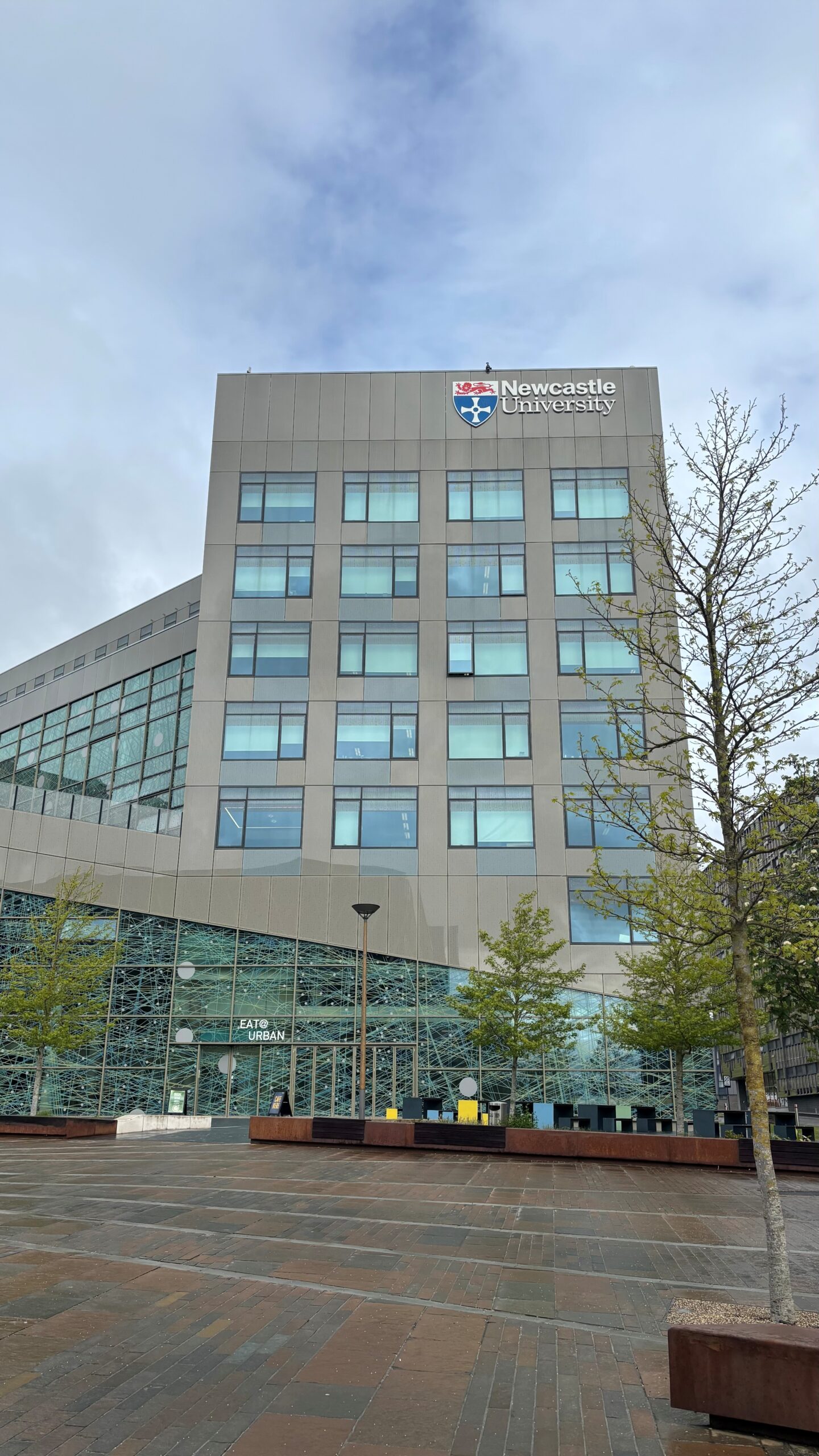
Newcastle University proved to be a fantastic venue for this year’s gathering, and a fitting one too. Situated in the building named after Frederick Douglass — himself a fierce advocate for the transformative power of education — NTFs, aspiring NTFs and students came together for two action-packed days of educational excellence: shared, discussed and reflected upon.
I should confess that my symposium nearly got off to a shaky start when I thought I had become stuck in one of the lifts. “Doors opening,” it announced. They didn’t. I pressed the open button. Nothing happened. I pressed it again. Still nothing. I was just beginning to contemplate life as a permanent resident of the Frederick Douglass building lift shaft when I noticed that the doors behind me had been wide open the entire time. A humbling reminder that sometimes perspective matters which leads me nicely onto one of the key themes emerging this year…the importance of human connection.
It was only six years ago that we were all teaching through a screen, so it was striking how strongly a desire for human connection ran through this year’s presentations and workshops. I was genuinely taken aback to hear how much students increasingly push back against AI (something highlighted in Simon Coupland’s particularly engaging presentation), a perspective that is easily overlooked amid the rush to adopt the latest tools.
Alongside this, a clear thread emerged: students want to communicate, to engage, to connect with each other and with us. As well as finding this in my own work with Michelle Morgan, Debbie Holley and Sue Beckingham looking at the Pre-Arrival Questionnaire, I was particularly inspired by Lisa Day’s work using improv comedy to get students engaging and conversing, by Rose Gann’s efforts to forge international links between students in her own classes and abroad, and by Heather McQueen’s “quecture” sessions, which pushed students to value their own thinking around the learning material.
Getting students to converse with each other is not always that easy though! However, long gone are the days of sitting students behind desks and inviting them to introduce themselves to each other. These days, we can get them involved in snowball fights. Yes, snowball fights. And yes, there is a strong intellectual component — let me explain. In a workshop inspired by supporting a sense of belonging, Julie Stokes had us each jotting down answers to questions such as: what would your superpower be? Who has inspired you the most? What achievement are you most proud of? We then crumpled our papers into balls and, standing at the front of the room, launched our “snowballs” across the space. As soon as you’d thrown yours, you grabbed one from the floor and threw it again. After a minute of happy chaos, we each picked up a snowball and set about finding the person who wrote it — while someone, somewhere, was trying to track us down too. On finding each other, conversation flowed. It was simple, joyful and remarkably effective — in fact it perfectly encapsulated what this community does best: turning creative ideas into genuine connection.
As a long-standing advocate of all things active learning, the symposium was a feast. I grappled with the “nurses’ dilemma” (Jonny Branney), learnt about app development (Cora Beth Fraser), and watched an innovative video on block teaching created by a paramedic student (Chris Knifton and Charlie Boam). There were a number of presentations exploring creative assessment including portfolios for design and engineering students (Nick Rowan), dissertation projects completed with external community organisations (Catriona Macleod) and AI-enABLed assessment (Andy Clegg)— and that was just a fraction of what was on offer. My only frustration was the impossibility of attending everything. It really was a fantastic selection.
As a (pained) Spurs fan, the gala dinner at St James’ Park presented certain… diplomatic challenges. But the evening itself was a delight, with excellent food and the incomparable Professor Sally Brown reminding us of the collaborative, supportive nature of the NTF community and the importance of championing those around us in our NTF journeys.
And as with all the best events, nobody left empty-handed. This year’s “party bag” for me contained everything from a book of AI prompts to an alphabet puzzle designed to bring students together in conversation. I came away not just with resources to use in my own practice, but with a head full of ideas and a renewed sense of what’s possible when passionate educators get together in the same room.
Because that, ultimately, is the point. In an age where we are increasingly drawn to the screen to communicate across distances, the chance to come together in person — to share good practice, to learn from each other, to laugh together — is something to be treasured.
So thank you to each and every one of you who attended, contributed, participated and relished the event. The story doesn’t end here though. Our resource board is brimming with shared ideas and links and we are now looking to publish some blogposts from the symposium on our website. If you were one of this year’s delegates, why not write a blog post of your own and send it across? We would love to hear about your work and to share it across our NTF platforms. Do send any contributions to Sue at S.Beckingham@shu.ac.uk.
As one symposium finishes, the next is already on the horizon. Bournemouth 2027 beckons — with beach huts, fish and chips, and hopefully some sunshine on the menu. See you there for the next extravaganza.
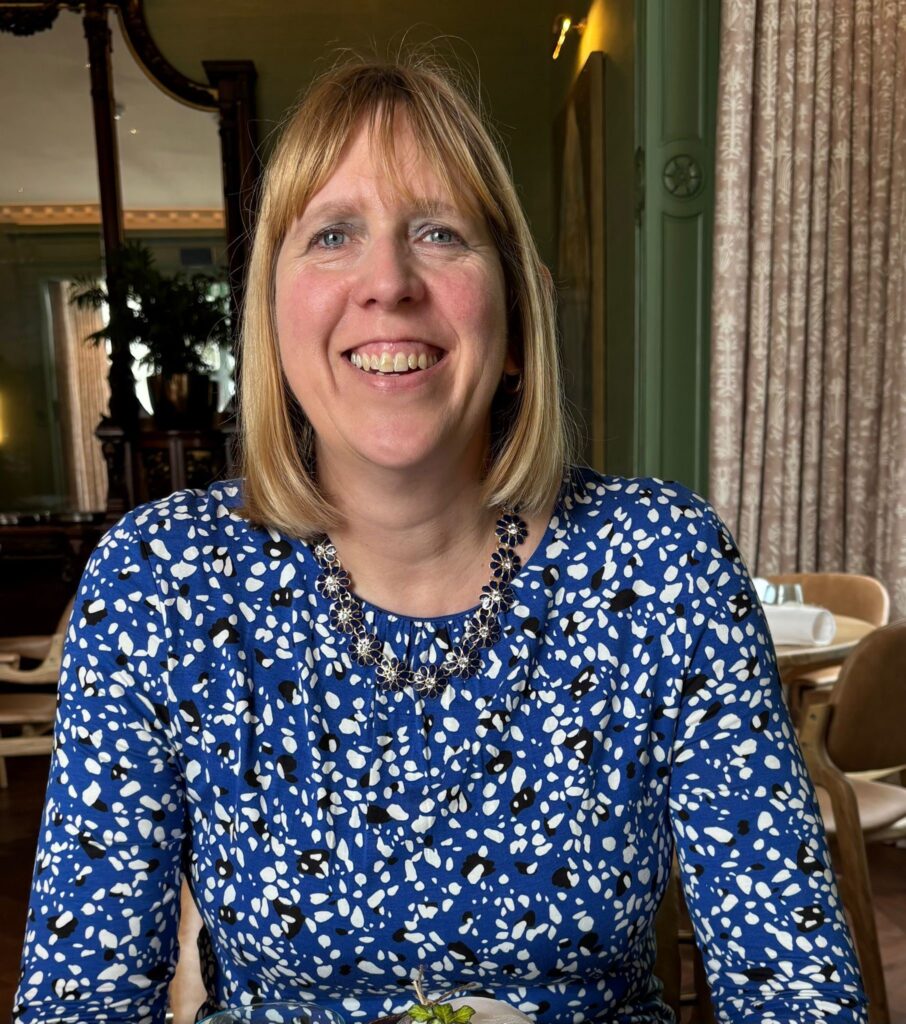
Professor Wendy Garnham. ANTF Events Co-ordinator


I was just reading this out of interest and saw I got a shout out – that’s made my morning! For anyone else who wants to use improv comedy to get students engaging and conversing – the slides are on the resource board with links to further resources. Thanks again for making me smile and to Rose and Heather for making it such an interesting opening session. Lisa 🙂